


What Is KAVA in Cryptocurrency?
What Is KAVA?
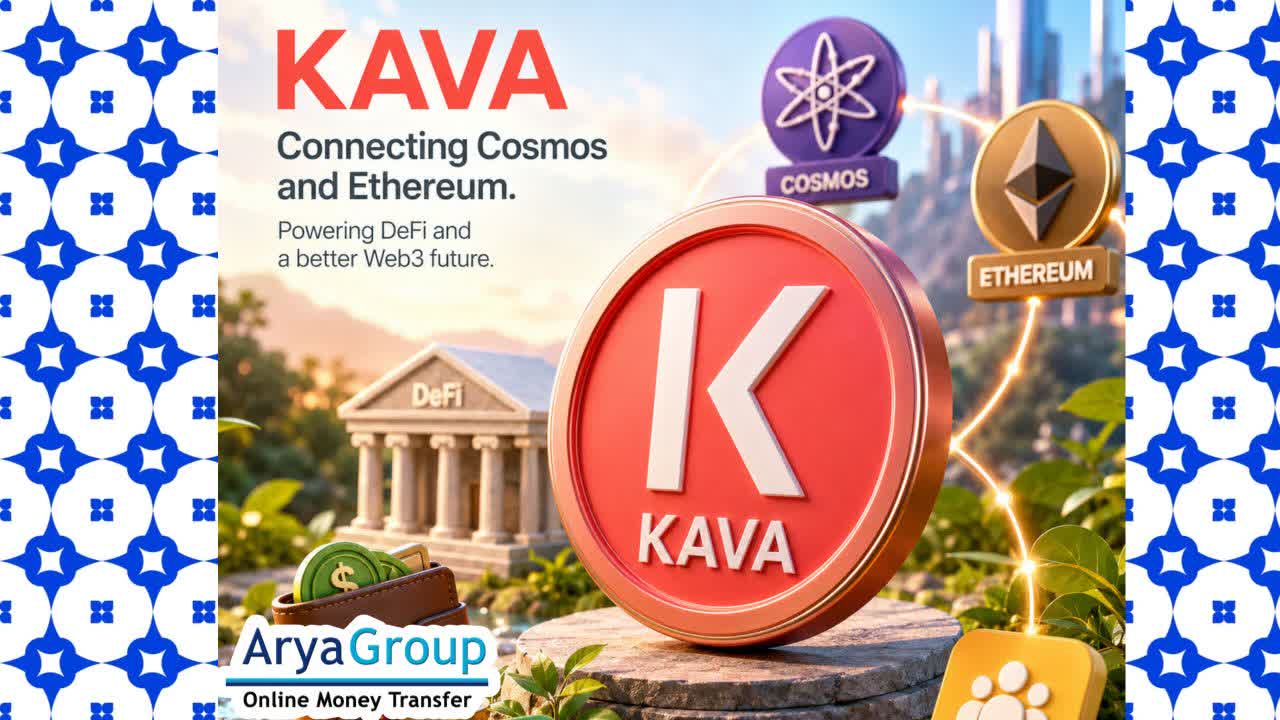
KAVA is a blockchain platform and cryptocurrency designed to connect different blockchain ecosystems and support decentralized applications, especially those related to decentralized finance (DeFi). The Kava network combines elements of the Cosmos and Ethereum ecosystems, giving developers access to interoperability as well as compatibility with Ethereum-based applications.
The native cryptocurrency of the network is called KAVA. It is used for several purposes, including network governance, staking, and participation in the Kava ecosystem. Because of these functions, KAVA is an important part of the network rather than simply being a digital asset for trading.
What Is the Kava Network?
Kava is a Layer-1 blockchain created to provide infrastructure for decentralized applications and blockchain-based financial services. One of its most notable characteristics is its connection to both the Cosmos and Ethereum ecosystems.
Cosmos technology provides interoperability between different blockchains, while Ethereum compatibility allows developers to use familiar smart-contract technology and development tools. By combining these capabilities, Kava aims to create an environment where applications can interact with different blockchain networks.
The network is particularly focused on decentralized finance, where blockchain technology can be used to provide financial services without relying entirely on banks, brokers, or other centralized intermediaries.
What Is the KAVA Token?
KAVA is the native token of the Kava blockchain. It has several important functions within the network.
One of its main uses is governance. KAVA holders can participate in decisions related to the development and operation of the ecosystem. This gives token holders a role in determining how certain aspects of the network evolve.
KAVA is also connected to the network's staking system. Users can delegate their tokens to validators, helping support network security and consensus. In return, participants may receive staking rewards, although these rewards and their conditions can vary.
The token can therefore serve several purposes at once: governance, network participation, staking, and ecosystem utility.
Kava and Decentralized Finance
DeFi is one of the most important areas associated with Kava. Decentralized finance refers to blockchain-based financial applications that allow users to access services through smart contracts rather than relying entirely on traditional financial institutions.
The Kava ecosystem has supported applications and services related to lending, borrowing, stablecoins, and other financial activities. Its infrastructure is designed to make blockchain-based financial applications available across interconnected ecosystems.
This focus on DeFi is important because users increasingly want financial applications that can operate across multiple blockchain networks. Kava's interoperability-focused architecture is intended to address part of this demand.
How Does Kava Work?
Kava uses a proof-of-stake-based consensus system. Validators are responsible for helping process transactions and maintain the security and reliability of the blockchain.
KAVA holders can participate by delegating their tokens to validators. Staking is an important component of many proof-of-stake networks because it gives participants an economic incentive to support the blockchain.
Another important feature of Kava is its ability to work with both Cosmos and Ethereum-related technologies. This combination gives developers greater flexibility when creating decentralized applications.
The Ethereum compatibility of the network can make it easier for developers who are already familiar with Ethereum-based smart contracts and development environments. At the same time, its connection to the Cosmos ecosystem provides access to a broader network of interconnected blockchains.
Why Is KAVA Important?
KAVA has several roles within its ecosystem. It supports governance, staking, and participation in the network's economy.
The project's emphasis on interoperability is also significant. The blockchain industry contains many different networks, each with its own technology and applications. The ability to connect these ecosystems can make it easier for users and developers to move information and interact with applications across different networks.
Kava's combination of Cosmos connectivity and Ethereum compatibility is therefore one of its main distinguishing characteristics.
Advantages of KAVA
Kava has several potential advantages. First, its connection to the Cosmos ecosystem gives it access to an environment designed around blockchain interoperability.
Second, Ethereum compatibility can make the network more accessible to developers who already understand Ethereum's smart-contract ecosystem.
Another potential advantage is Kava's focus on DeFi. As decentralized financial applications continue to develop, networks that provide efficient infrastructure for these services may have opportunities for growth.
Finally, KAVA's governance and staking functions give token holders a direct role in the ecosystem.
Risks and Challenges of KAVA
Despite its potential benefits, KAVA also involves significant risks. Like other cryptocurrencies, the price of KAVA can be highly volatile. Market sentiment, liquidity, economic conditions, and broader cryptocurrency trends can cause substantial price movements.
Kava also faces competition from numerous Layer-1 blockchains and DeFi platforms. Other networks are continuously improving their scalability, interoperability, smart-contract capabilities, and user experience.
Technology is another consideration. Blockchain networks must continually develop to remain competitive and secure. Regulatory changes can also affect DeFi projects and cryptocurrency markets in different jurisdictions.
For these reasons, anyone interested in KAVA should research the project, understand its technology, and consider the risks before making financial decisions.
The Future of KAVA
The future of KAVA will depend on several factors, including network adoption, developer activity, ecosystem growth, technological improvements, and competition.
If demand for interoperable DeFi applications continues to increase, Kava's combination of Cosmos connectivity and Ethereum compatibility could become increasingly useful. Greater adoption of decentralized applications could also increase activity within the Kava ecosystem.
However, success is not guaranteed. The blockchain industry changes quickly, and projects must continuously innovate to maintain their position.
Conclusion
KAVA is the native cryptocurrency of the Kava blockchain, a Layer-1 network focused on DeFi, interoperability, and Ethereum-compatible applications. The KAVA token has important functions related to governance, staking, and participation in the ecosystem.
Kava is particularly interesting because it attempts to connect different blockchain environments rather than operating in isolation. Its combination of Cosmos-based interoperability and Ethereum compatibility gives it a distinctive position within the blockchain industry.
At the same time, KAVA remains a volatile cryptocurrency and faces technological, competitive, market, and regulatory risks. Anyone considering KAVA should conduct independent research and understand the project before making financial decisions.
Add New Comment