


What Is Theta Network in Cryptocurrency?
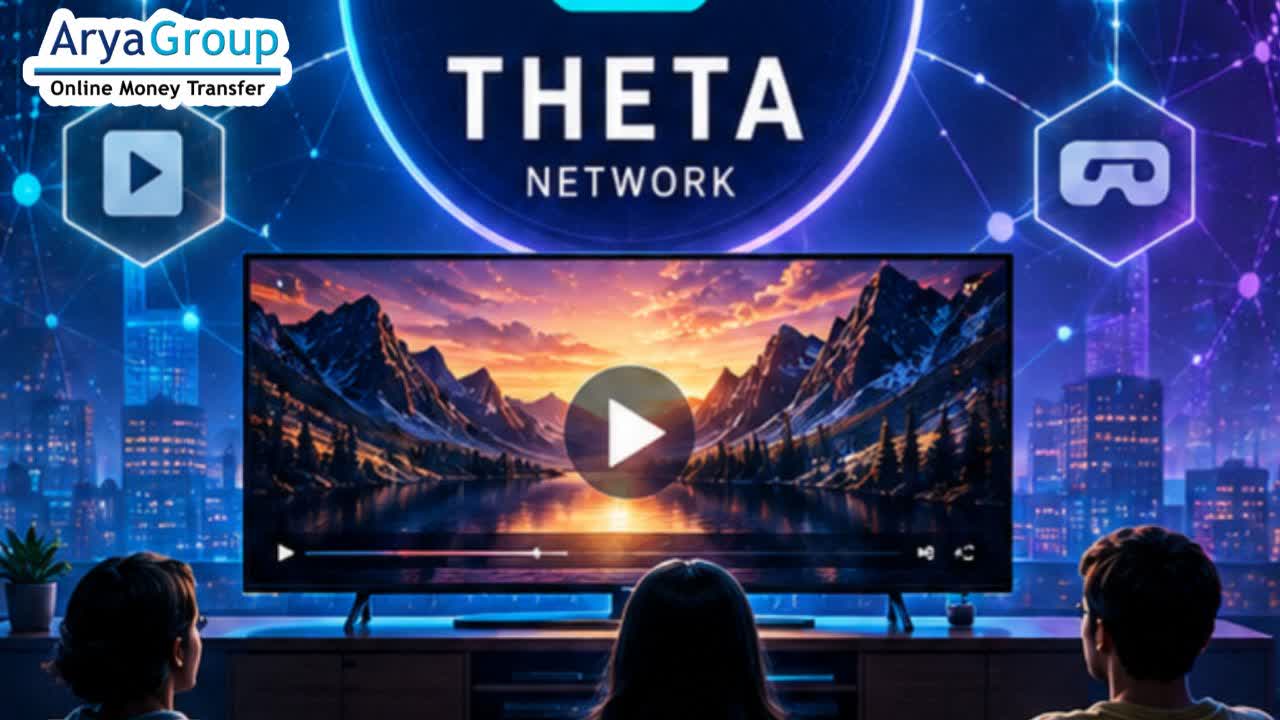
What Is Theta Network (THETA) in Cryptocurrency?
Introduction
Theta Network is a blockchain-based platform designed to transform the way video, media, entertainment, and digital content are delivered over the internet. Instead of relying entirely on centralized data centers and traditional content delivery networks, Theta uses a decentralized network in which users can share unused bandwidth and computing resources.
The project has two closely related tokens: THETA, which is primarily associated with governance and network participation, and TFUEL, which is used for transactions and operations within the ecosystem. This two-token structure is an important part of how Theta's decentralized infrastructure functions.
How Does Theta Network Work?
Traditional video streaming depends heavily on centralized infrastructure. When millions of people watch the same content, large companies must operate expensive servers and data centers to deliver that content efficiently.
Theta takes a different approach. Its network allows users to contribute unused bandwidth and computing resources. These resources can help distribute video and other digital content to nearby users, potentially reducing the burden on centralized servers.
This model is sometimes described as decentralized content delivery. Instead of every viewer receiving content exclusively from a central server, parts of the network can participate in distributing that content.
Users who contribute resources can receive rewards, creating an economic incentive for people to participate in the network.
THETA and TFUEL: What Is the Difference?
Theta's ecosystem uses two main tokens with different purposes.
THETA is the network's governance token. Holders can participate in the governance of the protocol and can also use THETA in staking-related activities. Staking helps support network security and participation.
TFUEL, meanwhile, is used as the operational token of the Theta ecosystem. It can be used to pay for transactions and support various activities within the network.
This separation allows Theta to distinguish between governance and everyday network operations.
Theta Edge Nodes
One of Theta Network's important components is its Edge Node infrastructure. These nodes allow users to contribute computing power, bandwidth, or storage to the network.
For example, a participant with unused internet bandwidth or computing capacity may contribute those resources to help deliver digital content. In return, the participant can potentially receive TFUEL rewards.
The concept extends beyond video streaming. Theta has also explored decentralized computing, artificial intelligence-related workloads and other applications that require distributed computing resources.
Theta and the Entertainment Industry
Theta's ambitions extend beyond simply making video streaming more decentralized. The project has focused heavily on the entertainment and media industries, where large amounts of bandwidth and computing resources are required.
The network can potentially support applications involving live streaming, digital collectibles, gaming, virtual experiences and other forms of digital entertainment.
This makes Theta particularly interesting in the broader Web3 sector because it attempts to connect blockchain technology with an industry that already has millions of users.
Why Is Theta Network Important?
One of Theta's central ideas is that the internet contains enormous amounts of unused computing and bandwidth capacity. Instead of allowing those resources to remain idle, a decentralized network can potentially put them to productive use.
This could offer several advantages, including potentially lower infrastructure costs, improved distribution efficiency and greater participation by individual users.
However, these advantages are not guaranteed. Building a decentralized infrastructure capable of competing with established technology companies is technically difficult. Theta must attract enough users, developers and businesses to create a network effect strong enough to support its long-term ambitions.
Theta and Web3
Theta fits into a broader movement toward decentralized digital infrastructure. Web3 projects increasingly attempt to move important internet services away from a small number of centralized providers.
In Theta's case, the focus is on media delivery and distributed computing.
The project also provides infrastructure for developers who want to build decentralized applications involving video, entertainment, gaming and digital assets. If Web3 adoption continues expanding, decentralized media infrastructure could become increasingly important.
Risks and Challenges
Despite its potential, Theta Network faces several challenges.
First, centralized content delivery networks already have highly developed infrastructure and enormous financial resources. Competing with these systems requires substantial technological development and widespread adoption.
Second, cryptocurrency markets are highly volatile. The value of THETA and TFUEL can change significantly based on market conditions, investor sentiment and developments within the broader crypto industry.
Another challenge is adoption. A decentralized network becomes more useful as more users and businesses participate. Without sufficient network activity, the economic advantages of decentralized infrastructure may remain limited.
Regulation is another important consideration. Blockchain-based projects operating across financial and digital-media sectors may face changing legal requirements in different countries.
The Future of Theta Network
Theta Network represents an interesting attempt to combine blockchain technology with decentralized media and computing infrastructure. Its vision goes beyond creating another cryptocurrency: it aims to build a network where users can contribute digital resources and receive incentives for helping deliver content and services.
The project's future will largely depend on whether it can expand its ecosystem, attract developers and users, and establish meaningful partnerships with media, entertainment and technology companies.
If decentralized infrastructure becomes more widely adopted, Theta could have an important role in connecting blockchain technology with the future of digital content. However, its long-term success will depend on real-world usage rather than cryptocurrency speculation alone.
Conclusion
Theta Network is a blockchain ecosystem focused on decentralized video delivery, digital entertainment and distributed computing. By allowing users to contribute bandwidth and computing resources, Theta attempts to create a more decentralized alternative to traditional content delivery infrastructure.
With THETA serving governance and staking functions and TFUEL supporting network operations, the ecosystem has developed a distinct economic model. Whether Theta ultimately becomes a major part of the global digital infrastructure will depend on adoption, technological development and its ability to compete with established centralized systems.
Add New Comment