


What Are Bitcoin Ordinals?
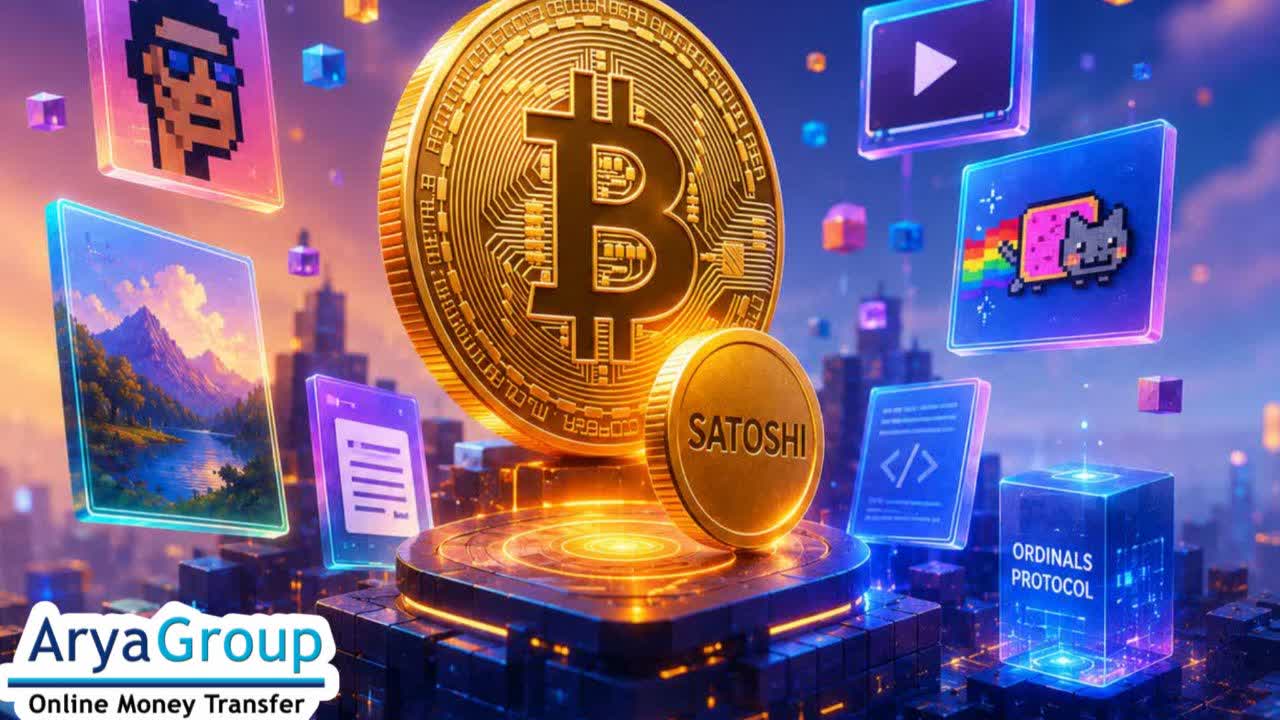
Bitcoin Ordinals: A New Era of Digital Assets on the Bitcoin Network
Introduction: Understanding Bitcoin Ordinals
Bitcoin Ordinals represent one of the most significant developments in the history of the Bitcoin ecosystem. Introduced in 2023 by developer Casey Rodarmor, the Ordinals protocol created a new way to store unique digital information directly on the Bitcoin blockchain. Unlike traditional Bitcoin transactions, which mainly focus on transferring value, Ordinals allow users to attach data such as images, text, videos, and other digital content to individual satoshis, the smallest units of Bitcoin.
This innovation has expanded Bitcoin’s functionality beyond its original role as a decentralized payment system and digital store of value. By enabling digital collectibles and applications similar to NFTs on the Bitcoin network, Ordinals have created new opportunities while also generating significant debate among developers, miners, investors, and users.
How Bitcoin Ordinals Work
To understand Bitcoin Ordinals, it is important to understand the concept of a satoshi. One Bitcoin can be divided into 100 million smaller units called satoshis. The Ordinals protocol assigns unique identifiers to individual satoshis, allowing them to be tracked throughout their history.
Through a process called “inscription,” users can add digital data to a specific satoshi. This data becomes permanently stored on the Bitcoin blockchain, meaning it cannot easily be removed or changed. The information may include artwork, documents, applications, or other digital files.
Unlike many NFT systems that store only a reference or link to an external file, Bitcoin Ordinals store the actual data directly on the blockchain. This feature has attracted attention from people who value permanent and decentralized data storage.
Advantages of Bitcoin Ordinals
1. Expanding Bitcoin’s Utility
For many years, Bitcoin was primarily viewed as a financial asset used for payments and investment. Ordinals introduced new possibilities by allowing the network to support digital collectibles, creative projects, and experimental applications. This expansion has attracted new users who previously focused on other blockchain ecosystems.
2. Permanent and Decentralized Data Storage
One of the strongest advantages of Bitcoin Ordinals is that inscriptions are stored directly on the Bitcoin blockchain. Since Bitcoin has one of the most secure and decentralized networks in the world, users benefit from a high level of reliability and resistance to censorship.
3. Increased Interest in the Bitcoin Ecosystem
Ordinals have brought additional attention, developers, and investors to Bitcoin. The growth of Ordinals has encouraged innovation and increased discussions about Bitcoin’s future capabilities beyond simple transactions.
4. New Opportunities for Creators
Artists, developers, and digital creators can use Ordinals to create unique digital assets connected to Bitcoin’s security. This provides an alternative approach to digital ownership compared with traditional online platforms.
5. Potential Economic Benefits for Miners
Because Ordinals increase transaction demand, they can create additional revenue opportunities for Bitcoin miners through higher transaction fees. This may become increasingly important as Bitcoin’s block rewards continue to decrease over time.
Disadvantages and Challenges of Bitcoin Ordinals
1. Increased Blockchain Size
One major criticism of Ordinals is that storing large amounts of data on Bitcoin increases blockchain size. Larger blocks may create additional storage requirements for network participants and could potentially affect long-term accessibility.
2. Higher Transaction Fees
The popularity of Ordinals has contributed to periods of increased transaction fees on the Bitcoin network. When many users compete for limited block space, regular Bitcoin transactions may become more expensive.
3. Debate About Bitcoin’s Original Purpose
Some members of the Bitcoin community argue that Ordinals move Bitcoin away from its original mission as a simple and efficient financial system. They believe that using block space for digital collectibles may reduce Bitcoin’s effectiveness as a payment network.
4. Market Speculation and Risk
Like many digital assets, Ordinals-based projects can experience extreme price changes. Some collections may gain significant value, while others may lose interest quickly. This creates risks for investors who purchase Ordinals without proper research.
5. Technical Complexity
Understanding, creating, and managing Bitcoin Ordinals requires technical knowledge. For beginners, concepts such as inscriptions, satoshis, wallets, and transaction fees can be difficult to understand.
The Future of Bitcoin Ordinals
The future of Bitcoin Ordinals remains uncertain but potentially transformative. Supporters believe that Ordinals will continue to expand Bitcoin’s role in digital ownership, decentralized applications, and blockchain innovation. They argue that adding new functionality strengthens Bitcoin’s ecosystem and attracts more users.
Critics, however, believe that Bitcoin should remain focused on security, decentralization, and financial transactions rather than becoming a platform for storing large amounts of digital content.
The long-term impact of Ordinals will likely depend on how the Bitcoin community balances innovation with network efficiency. Improvements in scaling solutions, wallet technology, and user experience may determine whether Ordinals become a permanent part of Bitcoin’s future or remain a short-term trend.
Conclusion
Bitcoin Ordinals have introduced a new chapter in Bitcoin’s development by transforming individual satoshis into carriers of unique digital information. They provide exciting opportunities for creators, investors, and developers while also raising important questions about blockchain resources, transaction costs, and Bitcoin’s original philosophy.
Whether viewed as a revolutionary innovation or a controversial experiment, Bitcoin Ordinals have already changed the conversation around what the Bitcoin network can achieve. Their influence will continue to shape discussions about digital ownership, blockchain technology, and the future of decentralized systems.

Add New Comment