


What Are Crypto Phishing Scams?
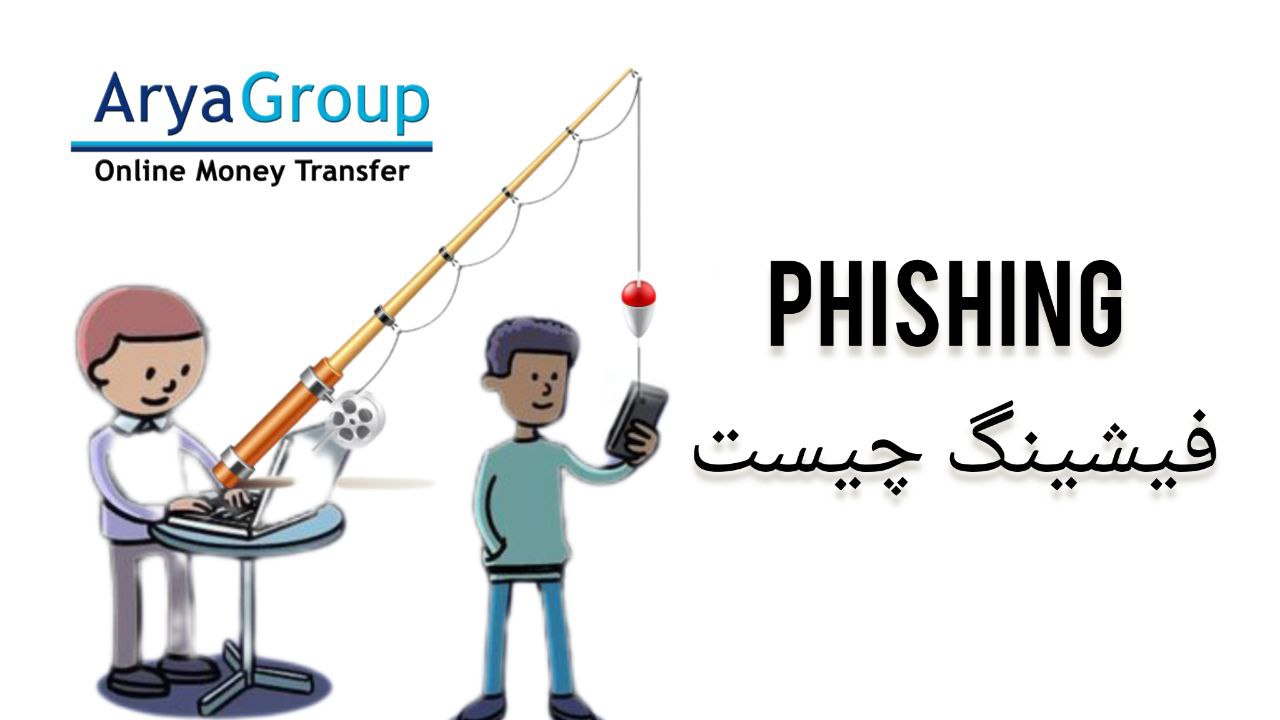
What Are Crypto Phishing Scams and How Can You Prevent Them?
Cryptocurrency has created new opportunities for digital payments, investing, and transferring money. However, the growing popularity of crypto has also attracted online scammers. One of the most common threats is crypto phishing, a type of fraud designed to trick users into revealing sensitive information or approving transactions.
Phishing attacks often look legitimate. A scammer may imitate a cryptocurrency exchange, wallet provider, project website, customer-support account, or even a familiar person. The goal is usually to make the victim trust the message and take an action that puts their account or assets at risk.
What Is Crypto Phishing?
Crypto phishing is a social-engineering scam in which criminals use fake messages, websites, emails, advertisements, or social-media accounts to deceive cryptocurrency users.
Instead of directly breaking into a wallet, attackers often try to convince users to provide information themselves. A fake website, for example, may look almost identical to a legitimate crypto platform and ask the visitor to enter login details or wallet information.
Once the information is exposed, the attacker may attempt to gain access to the account or steal digital assets.
How Does Crypto Phishing Work?
A typical phishing campaign follows a simple pattern:
-
The attacker creates a convincing fake message, website, or account.
-
The victim receives the message through email, social media, messaging apps, or another channel.
-
The message creates urgency, such as claiming that an account needs verification.
-
The victim follows the provided link or instructions.
-
The attacker attempts to obtain sensitive information or persuade the victim to approve a harmful action.
The biggest danger is that phishing relies on deception rather than technical complexity. Even experienced users can make mistakes when they are distracted or pressured to act quickly.
Common Types of Crypto Phishing Scams
Fake Exchange Websites
Scammers may build websites that imitate popular cryptocurrency exchanges. The fake page can contain familiar logos, colors, and layouts.
Users may be asked to log in, verify an account, or provide other information. Before entering anything, users should carefully check the website address.
Fake Wallet Messages
Another common approach involves messages pretending to come from a crypto wallet provider. The message may claim that a wallet has been locked or requires an urgent security update.
A legitimate-looking message does not automatically mean it is genuine.
Social Media and Messaging Scams
Phishing links can also appear on social networks, forums, and messaging platforms. Fake customer-support accounts may contact users and request private information.
A support representative should not need your wallet's secret recovery phrase.
Fake Airdrops and Promotions
Fraudsters sometimes advertise fake token giveaways, airdrops, or exclusive cryptocurrency rewards. Users may be directed to a website and asked to connect their wallet or approve a transaction.
Promotional language and promises of easy rewards should be treated carefully.
Warning Signs of a Phishing Attempt
Several signs can indicate that a crypto message or website is suspicious.
Unusual Urgency
Messages that demand immediate action should receive extra attention. Statements such as “verify now” or “your account will be suspended” can be designed to make users act without checking the details.
Suspicious Links
A link can look trustworthy while leading somewhere completely different. Instead of clicking links in unexpected messages, users should navigate to the official service independently.
Requests for Secret Information
Never share a wallet's recovery phrase or private key with someone who contacts you online. These credentials can provide access to cryptocurrency assets.
How to Prevent Crypto Phishing
Prevention starts with slowing down and verifying information before taking action.
Check the Website Address
Before logging into an exchange or wallet service, inspect the domain carefully. Look for unusual spelling, extra characters, or a domain that does not belong to the expected company.
Use Multi-Factor Authentication
Where available, multi-factor authentication can add another layer of account protection. Users should also use strong, unique passwords for important accounts.
Keep Recovery Information Offline
Recovery phrases and private keys should be treated as highly sensitive information. They should never be entered into an unfamiliar website or sent through email, chat, or social media.
Verify Support Accounts
If someone claims to be cryptocurrency customer support, verify the account through the company's official website or application. Do not rely solely on a profile name, logo, or verification-looking badge.
Stop and Think Before Approving a Transaction
Connecting a wallet or approving a blockchain transaction can have consequences. Users should understand what they are approving and avoid signing requests they do not recognize.
What Should You Do If You Encounter a Phishing Scam?
If you suspect that a message or website is fraudulent, stop interacting with it. Do not provide additional information or approve unfamiliar transactions.
If sensitive account information has already been exposed, use the legitimate service's official security procedures as soon as possible. Users should also report suspicious websites or accounts through the appropriate platform or service.
The most effective defense against crypto phishing is a combination of awareness, verification, strong security practices, and patience. Cryptocurrency transactions can be difficult to reverse, so taking a few extra moments to check a message or website can make a significant difference.

Add New Comment