


What Are Parachains?
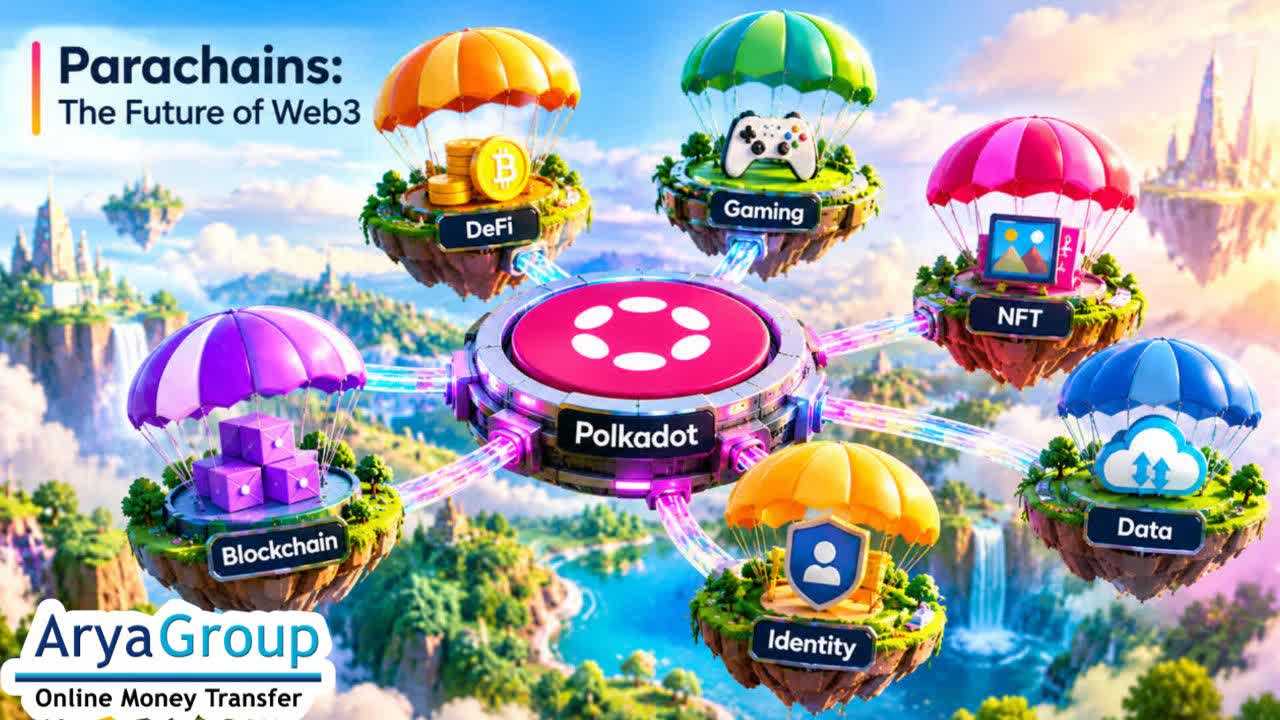
What Are Parachains in Cryptocurrency?
The blockchain industry has grown far beyond the idea of using one network for everything. As more decentralized applications, financial services, games, and digital assets enter the market, blockchains need to process transactions efficiently while remaining secure and flexible.
Parachains are one approach to solving these challenges. They are specialized blockchains connected to the Polkadot ecosystem, allowing different networks to operate with their own features while benefiting from shared security and interoperability.
How Do Parachains Work?
A parachain is an individual blockchain designed for a particular purpose. Instead of forcing every application to use the same infrastructure, developers can create or customize a network around their specific requirements.
Parachains connect to Polkadot's central Relay Chain, which provides core security and helps coordinate communication between connected networks.
This structure allows different blockchains to work together rather than operating as isolated systems.
Why Are Parachains Different From Traditional Blockchains?
Traditional blockchains often operate independently. They may have their own consensus mechanisms, security models, and rules for communicating with other networks.
Parachains take a different approach. They can be optimized for specific applications while using Polkadot's shared infrastructure. One network might focus on decentralized finance, while another could be designed for gaming, identity, data management, or other Web3 applications.
This specialization can give developers greater freedom when building blockchain-based products.
The Role of the Relay Chain
The Relay Chain is a central component of the Polkadot architecture. It is responsible for important network functions, including coordinating connected parachains and contributing to their shared security model.
Rather than requiring every parachain to build an entirely independent security system, Polkadot allows participating networks to benefit from a common security framework.
This can make it easier for specialized blockchains to become part of a broader ecosystem.
Interoperability Is a Major Advantage
One of the most important ideas behind parachains is interoperability.
In a fragmented blockchain market, assets and information can become trapped within individual networks. Moving data between blockchains may require bridges or other complicated solutions.
Polkadot's architecture is designed to make communication between connected chains more efficient. This opens the door to applications that can interact with multiple blockchain environments rather than depending on a single network.
For Web3, this type of communication can be especially valuable because decentralized applications increasingly need to work across different ecosystems.
Why Parachains Matter for the Future of Web3
Parachains represent a broader shift in blockchain design: instead of expecting one network to handle every possible task, different chains can specialize while remaining connected.
This model can potentially improve scalability, flexibility, and interoperability. Developers can build networks suited to their individual needs without completely separating themselves from the wider Polkadot ecosystem.
However, parachains are not a magic solution to every blockchain problem. Network complexity, development requirements, governance, competition between ecosystems, and user adoption remain important considerations.
Overall, parachains are an interesting part of the evolution of cryptocurrency infrastructure. By combining specialized blockchains with shared security and cross-chain communication, they offer a different vision for how decentralized networks can work together.
Conclusion
Parachains are specialized blockchains connected to Polkadot's Relay Chain. Their purpose is to allow different blockchain networks to maintain unique functions while benefiting from shared infrastructure and interoperability.
As the cryptocurrency industry continues to develop, approaches like parachains could play an important role in creating a more connected and flexible Web3 environment.
Add New Comment