


Tether Expands Power Across Crypto Markets
Tether continues to strengthen its position as the world's leading stablecoin provider despite facing increasing competition, regulatory challenges, and changing market dynamics. As the cryptocurrency industry evolves, the company remains a dominant force, influencing liquidity, trading activity, and capital flows across global digital asset markets.
One of the most notable developments in recent weeks has been Tether's growing market capitalization. The company has steadily increased the circulating supply of its stablecoin, allowing it to reach valuation levels that briefly surpassed Ethereum's market capitalization during a period of weakness in the broader cryptocurrency market. This milestone highlighted the growing importance of stablecoins within the digital asset ecosystem and demonstrated how investors increasingly rely on dollar-backed assets during periods of uncertainty.
The expansion of Tether's supply has attracted significant attention from analysts and traders. Stablecoin growth is often viewed as an indicator of incoming liquidity because newly issued tokens can eventually be deployed into cryptocurrencies, decentralized finance platforms, or other blockchain-based applications. At the same time, a rising share of stablecoins within the market may also signal that investors are becoming more cautious and temporarily moving capital away from higher-risk assets.
Market observers have also pointed to technical indicators showing increased dominance for Tether relative to the broader cryptocurrency market. Some analysts believe this trend reflects a defensive positioning strategy among investors who prefer preserving capital while waiting for clearer market direction. Others argue that growing stablecoin balances could eventually provide fuel for future rallies if confidence returns to the sector.
Beyond its flagship stablecoin, Tether has been actively expanding its business operations. One of the company's most significant recent initiatives involves the growth of its U.S.-focused stablecoin product, designed to meet stricter regulatory standards and provide greater compliance for institutions operating within the American financial system. The rapid growth of this product demonstrates increasing demand for regulated digital dollar alternatives.
Tether has also broadened its investment strategy far beyond the stablecoin market. The company has made substantial commitments to emerging technologies, including artificial intelligence, robotics, data infrastructure, and advanced computing systems. These investments reflect a long-term vision that extends beyond digital payments and positions Tether as a participant in several rapidly developing technology sectors.
Among its most attention-grabbing moves has been participation in a major funding round involving robotics and physical artificial intelligence technologies. By supporting companies working on intelligent machines and automation systems, Tether is signaling its belief that future economic activity will increasingly involve interactions between artificial intelligence, digital assets, and decentralized financial networks.
Another important aspect of Tether's strategy is reserve diversification. In addition to traditional reserve assets, the company has accumulated a significant amount of physical gold. This approach is intended to strengthen balance sheet resilience and reduce dependence on any single asset class. Supporters view the strategy as an effort to create additional layers of protection for the company's financial position.
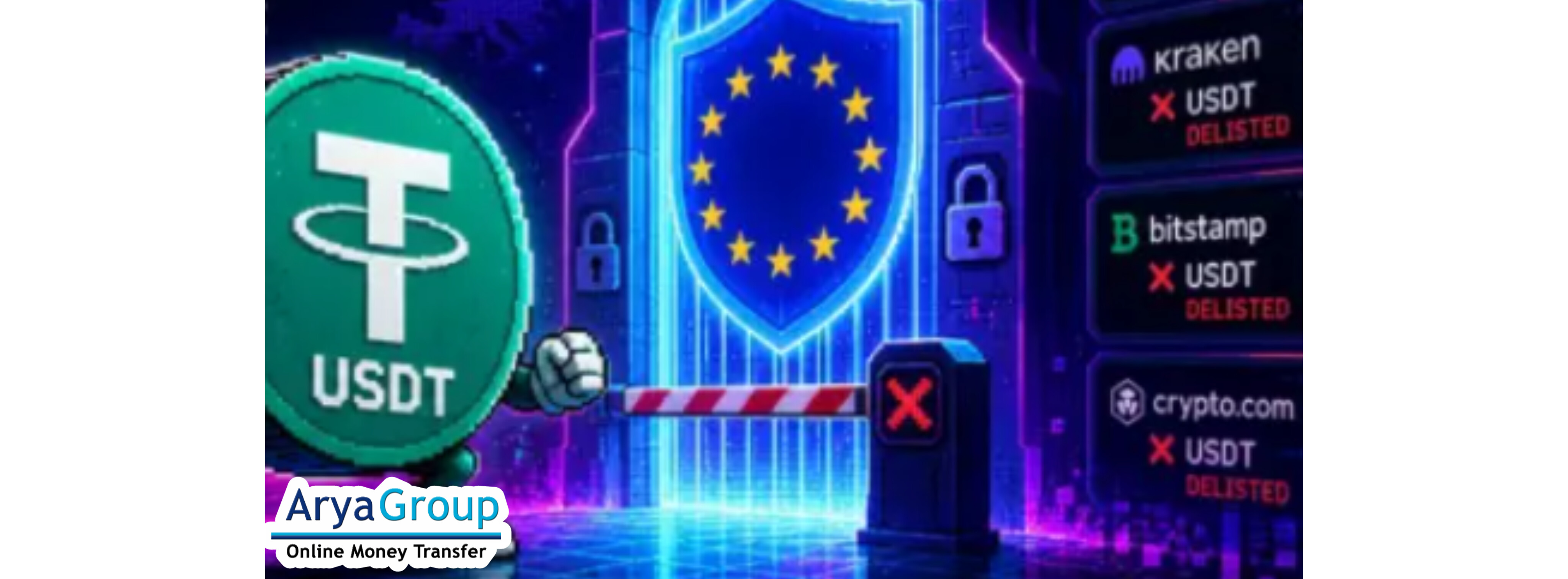
Despite its continued growth, Tether faces ongoing regulatory challenges in several regions. European authorities have introduced new rules governing digital assets, and some trading platforms have restricted access to certain stablecoins that do not meet local compliance requirements. These developments have increased pressure on stablecoin issuers to adapt their structures and reporting frameworks to satisfy evolving regulations.
Regulatory scrutiny remains one of the most important factors affecting the stablecoin industry. Governments around the world are seeking to balance innovation with financial stability, consumer protection, and anti-money laundering requirements. As one of the largest companies in the sector, Tether remains at the center of many of these discussions.
The company has also continued to cooperate with law enforcement agencies in efforts to combat financial crime. Through blockchain monitoring and enforcement actions, Tether has assisted authorities in freezing large amounts of digital assets connected to sanctions violations, fraud schemes, and criminal organizations. These efforts are frequently highlighted by the company as evidence of its commitment to improving security within the digital asset ecosystem.
As stablecoins become increasingly integrated into global finance, Tether's influence continues to expand. Millions of users, exchanges, trading firms, and blockchain applications rely on the stablecoin for liquidity and settlement purposes. Its role has evolved from a simple trading tool into a critical component of the broader cryptocurrency infrastructure.
Looking ahead, Tether's future will likely be shaped by three major forces: regulation, technological innovation, and market adoption. The company's ability to navigate evolving legal requirements while continuing to expand into new industries may determine whether it can maintain its leadership position in an increasingly competitive environment.
For now, Tether remains one of the most influential players in the digital asset world. Its growing reserves, expanding technology investments, increasing stablecoin supply, and global market presence demonstrate that the company is pursuing a strategy that reaches far beyond traditional cryptocurrency transactions and into the future of digital finance itself.
Add New Comment