


What Is Rate in Digital Currency?
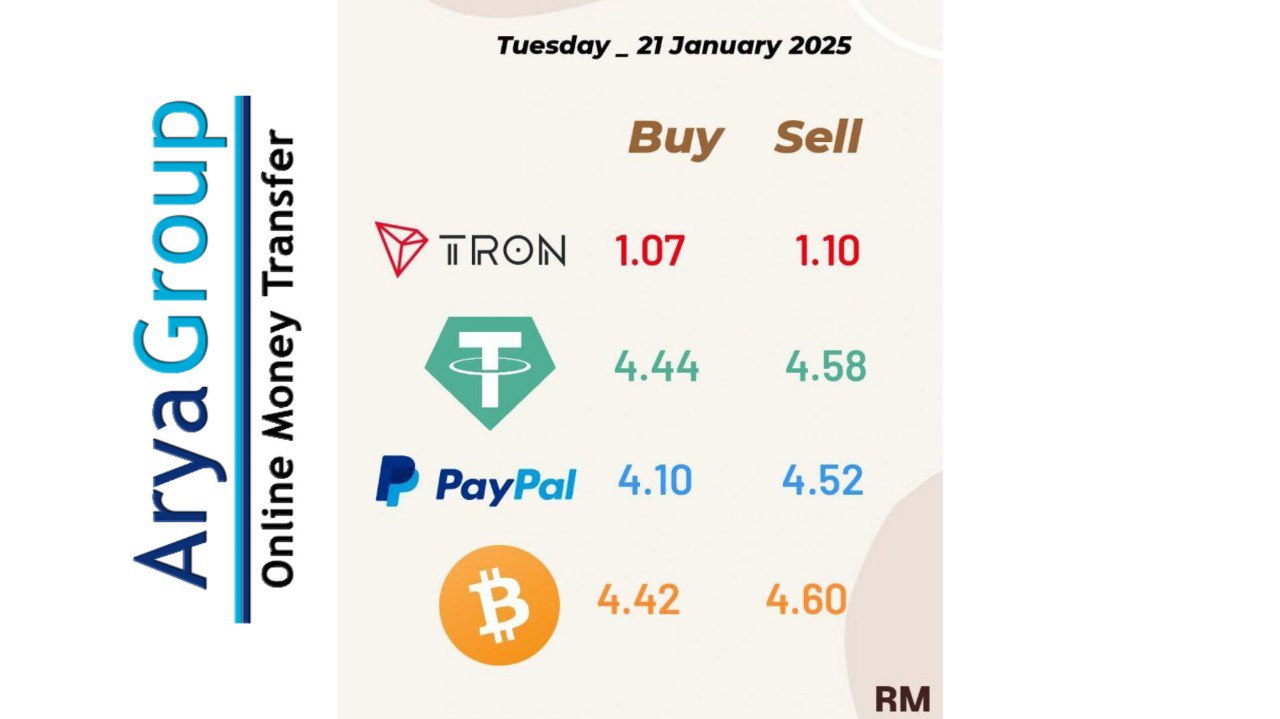
What Is Rate in Digital Currency?
The word “rate” is commonly used in cryptocurrency to describe the value of one digital asset compared with another currency or asset. In simple terms, a crypto exchange rate tells you how much of one currency is needed to obtain a specific amount of another.
For example, if Bitcoin is quoted against the US dollar, the Bitcoin-to-dollar rate indicates how many dollars correspond to one Bitcoin at that particular moment. A cryptocurrency can also be measured against another digital asset, such as Bitcoin against Ethereum.
Unlike traditional currencies, many cryptocurrencies trade around the clock. Their rates can therefore change continuously as buyers and sellers enter the market.
What Does a Crypto Rate Mean?
A cryptocurrency rate represents a relationship between two assets. It is usually displayed as a trading pair.
For instance, BTC/USD expresses the value of Bitcoin in US dollars, while ETH/BTC expresses the value of Ether in Bitcoin.
The first asset is generally called the base asset, while the second is the quote asset. The quoted number tells you how much of the quote asset corresponds to one unit of the base asset.
This concept is similar to exchange rates in traditional finance, but crypto markets have their own pricing mechanisms.
Rate vs. Cryptocurrency Price
The words “price” and “rate” are sometimes used interchangeably, but they can have slightly different meanings.
A cryptocurrency price usually tells you the value of an asset in a particular currency, such as the dollar. An exchange rate focuses more directly on the relationship between two currencies or assets.
For example, saying that one Bitcoin is worth a certain number of dollars describes its price in dollars. Saying how much Ether is equivalent to one Bitcoin describes a BTC-to-ETH exchange rate.
How Are Cryptocurrency Rates Determined?
Crypto rates are primarily influenced by market activity. On centralized exchanges, buyers and sellers submit orders to an order book. When compatible buy and sell orders meet, a trade occurs, and that transaction helps establish the current market price.
On decentralized exchanges, pricing can work differently. Many decentralized platforms use automated market makers, which determine prices according to the amounts of assets available in liquidity pools.
Supply and Demand
Supply and demand are among the most important forces behind cryptocurrency rates.
When buying interest increases while available supply remains limited, the market rate can rise. If selling pressure becomes stronger, the rate can move lower.
Because crypto markets can react quickly to changes in sentiment, these movements may happen within a short period.
Market Liquidity
Liquidity refers to how easily an asset can be bought or sold without causing a major change in its price.
Highly liquid trading markets generally allow transactions to happen more smoothly. Less liquid markets can experience larger price differences, especially when relatively large orders are placed.
Investor Sentiment
News, market expectations, technological developments and broader economic conditions can influence how people feel about a cryptocurrency.
Positive sentiment may increase buying activity, while uncertainty or negative expectations can increase selling pressure.
Why Can the Rate Differ Between Platforms?
The exchange rate of the same cryptocurrency does not always appear exactly the same on every trading platform.
Differences can result from liquidity, trading activity, fees, spreads and the particular pricing mechanism used by each platform. Decentralized markets can also experience different rates because liquidity pools have different asset balances.
This is one reason why a displayed market rate should not automatically be considered the exact amount a person would receive in an actual transaction.
The Role of Spread and Slippage
The spread is the difference between the price buyers are willing to pay and the price sellers are willing to accept.
Slippage occurs when the final execution price differs from the expected price, often because the available liquidity is insufficient for the size of an order.
Both concepts are important when understanding the difference between a displayed rate and an actual transaction result.
Cryptocurrency Rates and Stablecoins
Stablecoins provide an interesting example of how rates can work in digital markets.
Many stablecoins are designed to maintain a value close to a reference currency, commonly the US dollar. Their goal is to keep a relatively stable relationship with that reference asset.
However, the market value of a stablecoin can temporarily move away from its intended target. Market stress, liquidity problems or changes in confidence can contribute to such deviations.
Why Exchange Rates Matter in Crypto
Understanding rates is useful for anyone studying how digital asset markets operate.
Rates help explain:
-
How one cryptocurrency compares with another
-
How digital assets are valued against traditional currencies
-
Why cryptocurrency values change
-
How trading pairs work
-
Why the same asset can have slightly different prices across markets
-
How liquidity affects transactions
What Factors Can Change a Crypto Rate?
Cryptocurrency rates can respond to many different factors. Some of the most important include:
Market Demand
Changes in buying and selling interest can quickly affect an asset's value.
Available Supply
The amount of an asset available for trading can influence its market value, particularly when demand changes.
Liquidity
Markets with greater liquidity generally handle transactions more efficiently, while thinner markets can experience larger price movements.
Market News
Major technological developments, regulatory announcements, network changes or broader financial events can influence market sentiment.
Overall Economic Conditions
Cryptocurrency markets can also react to broader economic developments, including changes in investor risk appetite and conditions in traditional financial markets.
A Simple Example of a Crypto Exchange Rate
Imagine a hypothetical trading pair called COIN/USD.
If the market shows:
1 COIN = 10 USD
the exchange rate means that one unit of COIN is currently valued at ten US dollars.
If demand increases and the market moves to:
1 COIN = 12 USD
the value of COIN relative to the dollar has increased.
The same idea applies when comparing two cryptocurrencies. If a trading pair shows the relationship between COIN and another digital asset, the quoted rate tells you how much of the second asset corresponds to one unit of the first.
Rate Is an Important Concept in Digital Currency
The term “rate” may seem simple, but it is fundamental to understanding cryptocurrency markets. It describes the relationship between assets and helps users understand how the value of one currency compares with another.
Unlike a fixed number, a crypto exchange rate can change constantly because digital asset markets operate through ongoing buying and selling activity.
Understanding trading pairs, supply and demand, liquidity, spreads and market sentiment provides a clearer picture of why cryptocurrency rates move.
Key Takeaway
In cryptocurrency, a rate generally refers to the exchange value between two assets. It can show the value of a digital currency against a traditional currency such as the US dollar or against another cryptocurrency. These rates are largely shaped by market activity and can change rapidly.
Final Note
Learning what a crypto rate means is one of the basic steps toward understanding digital-asset markets. It helps explain cryptocurrency prices, trading pairs and the relationship between different digital and traditional currencies.

Add New Comment